
Some monsters were made. This one deserved better.
Abilene Rose
Historical Cozy Mystery
Published 1/11/2026
331 pages
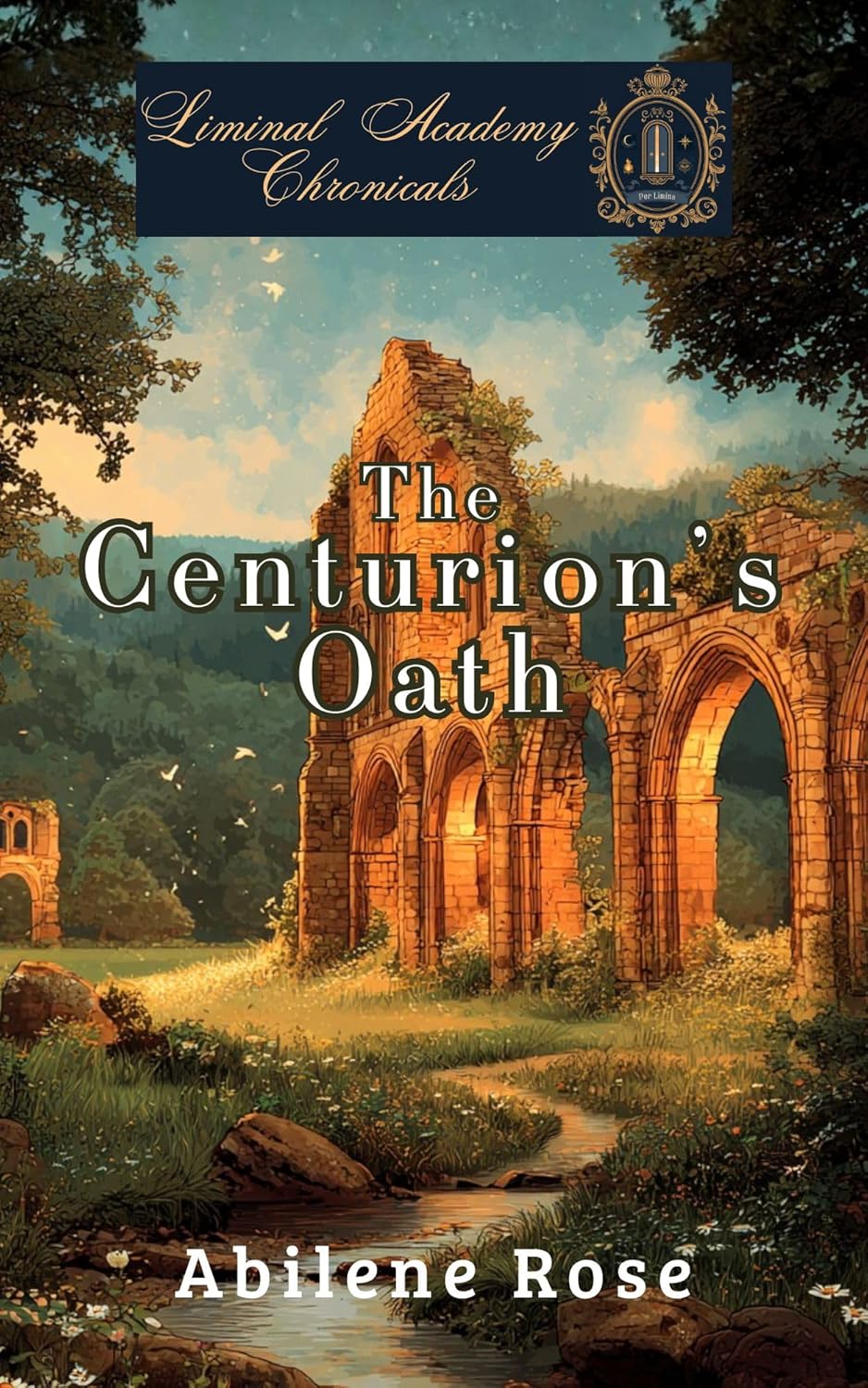
Some oaths last longer than empires.
Some hunger never dies.
When Professor Edgeworth’s archaeological team unearths a Roman villa in the Yorkshire countryside, they expect ancient mosaics and pottery shards—not a sixteen-hundred-year-old prison holding something that should never have been summoned.
Clara Burton, eighteen-year-old Assistant Headmistress of the Liminal Academy, arrives to find the excavation in crisis.
A student lies comatose after touching a contaminated artifact. Shadows pulse beneath three perfectly positioned pits. And twelve ghostly Roman soldiers still stand watch over a binding that’s finally, catastrophically failing.
The entity trapped beneath was created as a weapon—pure hunger given form by desperate Druids.
When they lost control, Centurion Marcus Flavius and his men gave their lives to contain it, expecting their sacrifice to last two hundred years. Instead, they’ve stood vigil for sixteen centuries, watching their prison slowly crumble.
Now Clara has seventy-two hours to accomplish what the Roman Empire couldn’t: not destroy the entity, but transform it.
With her team of gifted students—Duncan’s psychometric abilities, Tommy’s prophetic sight, Elizabeth’s communion with the dead—she must find a way to redirect ancient hunger toward sustainable purpose.
But the entity is learning, adapting, reaching through supernatural connections to feed. And it’s offering the team a terrible choice: let it consume them now, or watch it break free and devour everyone within miles.
The ghost legion has kept their oath for longer than any soldiers should.
The entity has suffered starvation no conscious being should endure.
And Clara must find a solution that frees them all—or lose everything in the attempt.
Because some transformations require more than knowledge and precision. They require compassion fierce enough to see suffering in a monster, courage deep enough to offer partnership instead of destruction, and hope strong enough to believe that even weaponized hunger can choose a better path.
When ancient oaths meet modern compassion, can understanding succeed where force has failed for sixteen centuries?
